
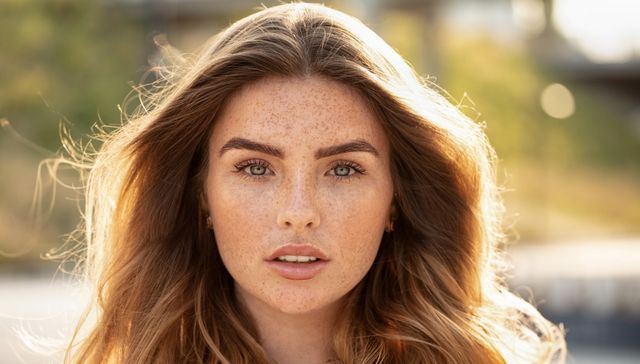
The eyes are often the first place age shows up, and sometimes the last place people think to address it. If you’ve noticed heavy, drooping upper lids or persistent puffiness and bags under your eyes, you may already know something needs to change, but not which procedure actually fixes it.
Blepharoplasty, or eyelid surgery, isn’t a single operation. Instead, it’s a category that includes distinct upper and lower procedures, each designed to correct different concerns. Here’s how Dr. Brandon Mang at Rejuve Aesthetic Surgery helps patients in Tampa and Alpharetta figure out which one, or which combination, fits their goals.
What Does Upper Blepharoplasty Correct?
Upper eyelid surgery addresses the skin, muscle, and fat above the eye that loosens and descends with age. As the upper lid loses elasticity, excess skin can begin to fold over the natural crease, creating a heavy, tired appearance and, in more advanced cases, actually hanging low enough to interfere with peripheral vision. During the procedure, Dr. Mang makes a well-concealed incision along the natural upper eyelid crease, then removes or repositions the excess skin, muscle, and fat responsible for the heaviness. Because the incision follows an existing crease, resulting scars are typically very difficult to see once healed.
What Does Lower Blepharoplasty Correct?
Lower eyelid surgery targets a different set of concerns, including puffy under-eye bags, visible fat pockets, loose or crepey skin, and the hollowed or shadowed look that can make someone appear more tired or older than they feel. Depending on the specific concern, Dr. Mang may use a small incision just below the lash line or an incision hidden on the inner surface of the eyelid to remove or reposition fat and tighten loose tissue. The approach is tailored to whether the primary issue is excess fat, excess skin, or a combination of both.
How Are the Two Procedures Different?
The core difference comes down to location and what’s actually being corrected. Upper blepharoplasty deals with drooping skin that can affect both appearance and, in some cases, functional vision, while lower blepharoplasty deals with puffiness, bags, and skin laxity beneath the eye that are almost always cosmetic in nature. That distinction matters beyond just anatomy because upper eyelid surgery can be medically necessary when drooping skin obstructs vision, and it’s sometimes eligible for insurance coverage after a formal evaluation, whereas lower blepharoplasty is generally considered elective and cosmetic. The surgical techniques differ as well, with upper surgery generally being a shorter procedure than lower eyelid work, which can involve more detailed fat repositioning depending on the technique used.
How Do You Know Which One You Need?
For many patients, the mirror already tells part of the story. If your primary concern is heaviness or hooding along the upper lid, especially if it’s starting to affect how much eye makeup you can apply evenly or how open your eyes look in photos, upper blepharoplasty is likely the more relevant procedure. If your concern centers on under-eye bags, puffiness that doesn’t resolve with sleep or lifestyle changes, or looseness in the lower lid skin, lower blepharoplasty tends to be the better fit. It’s also common for people to have some degree of both, which is why an in-person evaluation matters more than a self-assessment: Dr. Mang can assess the skin, muscle, and fat compartments in both the upper and lower lids to determine which structures are actually contributing to your appearance.
Can You Have Both Procedures at the Same Time?
Yes. Many patients considering eyelid surgery ultimately benefit from addressing both areas at once, sometimes referred to as a combined or “quad” blepharoplasty. Because both procedures are performed on the same delicate anatomical region with a similar recovery process, combining them in a single surgical session means one recovery period instead of two and often produces a more balanced, harmonious result than correcting just one area alone. Whether combining upper and lower blepharoplasty makes sense for you depends on your specific anatomy and goals, which is something Dr. Mang will walk through during your consultation.
What Does Recovery Look Like After Blepharoplasty?
Recovery is fairly similar whether you have upper surgery, lower surgery, or both together. Most patients experience mild bruising, swelling, numbness, and general discomfort in the days following surgery, with the most noticeable symptoms typically subsiding within 2 to 3 weeks. Cold compresses, keeping your head elevated, and avoiding strenuous activity in the initial healing period all help manage swelling. While you’ll likely feel comfortable resuming normal daily activities within a couple of weeks, final results continue to refine over 4 to 6 weeks as any residual swelling resolves and the tissue settles into its new contour.
Who Is a Good Candidate for Blepharoplasty?
Good candidates for either procedure are generally in overall good health, are non-smokers or willing to stop smoking for at least six weeks before and after surgery, and have realistic expectations about what eyelid surgery can and can’t change. Because smoking impairs circulation and can significantly slow healing, this is one of the more important factors Dr. Mang reviews during a consultation. Age isn’t a strict cutoff either way. Some patients pursue blepharoplasty in their 40s to address early heaviness, while others wait until their 60s or beyond, and the right timing depends more on how the individual concerns are affecting your appearance and, in the case of upper eyelid surgery, your vision.
What Should You Expect at a Consultation?
A blepharoplasty consultation is less about deciding on a procedure ahead of time and more about identifying what your specific eyelids need. Dr. Mang will examine the skin, muscle, and fat in both your upper and lower lids, ask about any vision changes, and discuss your medical history, including any medications, allergies, or eye conditions that could affect surgical planning. This is also the time to talk openly about what’s bothering you, whether that’s how your eyes look in photos, how heavy your lids feel by the end of the day, or simply wanting to look as rested as you feel. From there, Dr. Mang can walk you through which procedure, or combination of procedures, is likely to get you the most natural, proportionate result, along with a realistic recovery timeline based on your own healing history.

Brandon-Dzung Mang, MD
Board-Certified Plastic Surgeon
Discover compassionate, patient-centered care with board-certified plastic surgeon Dr. Brandon-Dzung Mang at Rejuve Aesthetic Surgery. Blending Eastern and Western aesthetics, plastic and reconstructive surgeon Dr. Mang values beauty as a multifaceted concept deeply tied to personal identity. Known for his meticulous skill, humor, and empathy, he creates a supportive environment where patients feel valued and understood. We invite you to start your transformation with one of the top plastic surgeons in Alpharetta, GA, and Tampa, FL.
Are There Non-Surgical Alternatives Worth Considering First?
For patients with milder concerns or those not yet ready for surgery, non-surgical options can sometimes offer temporary improvement, though they don’t address the excess skin and fat that blepharoplasty is designed to correct. Since these alternatives work differently than surgery and aren’t right for every patient, discussing your specific concerns with Dr. Mang is the best way to understand whether a non-surgical approach or blepharoplasty itself will get you closer to your goals.
Ready to Talk About Which Eyelid Surgery Fits You?
Upper and lower blepharoplasty solve different problems, and understanding which one matches what you’re actually seeing in the mirror is the first step toward a result that looks refreshed rather than simply different. Whether you’re closer to Tampa or Alpharetta, Dr. Mang and the team at Rejuve Aesthetic Surgery can evaluate your eyelids in person and recommend the approach that fits your anatomy and goals.
To learn more or schedule a consultation, contact Rejuve Aesthetic Surgery, or call the Tampa office at (813) 280-2639 or the Alpharetta office at (770) 814-9533.

